For Immediate Release
An interview with photographer Giuseppe Marano

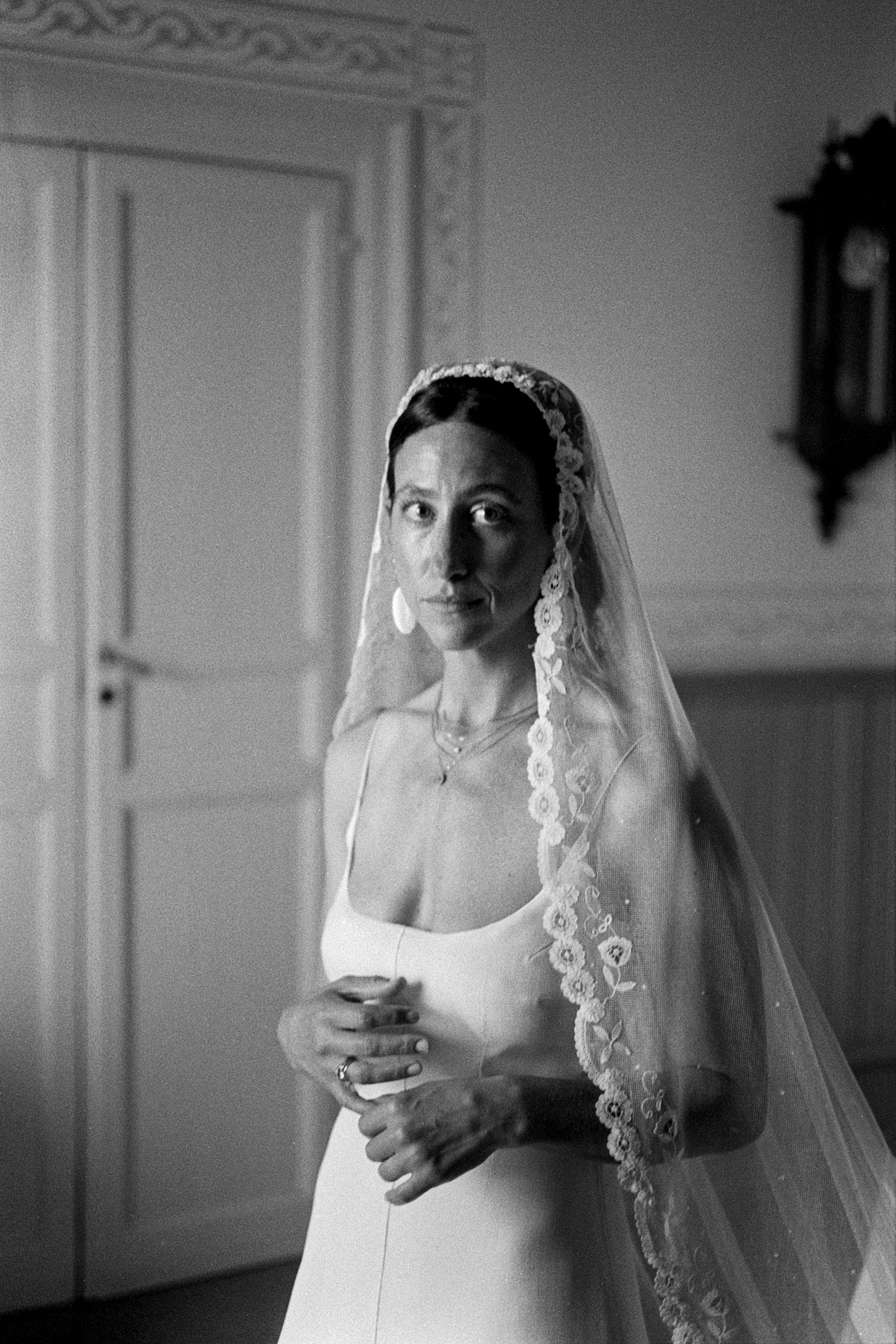
Our first “For Immediate Release” interview is here! Below we have a discussion with Italian film photographer, Giuseppe Marano. Giuseppe has a cinematic, documentary-style approach to wedding photography, capturing a feeling and energy in each frame so that his images feel like stills from a film. They embody nostalgia before they become a memory. Giuseppe photographed my own wedding in Ischia almost 5 years ago, during the first days after the borders reopened amid Covid — a moment that took a village to bring to life, as I mentioned in my recent contribution to The Album. He was an integral part of that village, and his presence there has remained deeply meaningful to us ever since. We love his work so much that he’ll also be photographing Gabby’s upcoming wedding in the English Countryside this May. (If you didn’t catch her civil ceremony, you can read about it here.) Below, we explore who Giuseppe is as a photographer, and what sets him apart from so many others in the industry. - Jamie
Plus One: You are first and foremost a documentary style photographer. How do you approach wedding photography vs. your other work? Or is it the same?
Giuseppe Marano: I’d say that approaching both personal research projects and weddings with the same mindset has been one of the key elements in my journey over the years. I always bring the same desire to improve, to explore, and to push the boundaries further.
PO: How did you come to find wedding photography to begin with?
GM: It was a bit by chance. Early in my photographic journey, around 2006–2007, I started working in a studio in my hometown of Misterbianco, in the province of Catania, Sicily. That’s when I discovered how fascinated I was by photographing and telling people’s stories.
PO: Do you connect with some couples more than others?
GM: Even though my approach is always very open and empathetic, naturally, stronger connections form with some couples. At the end of the day, it’s a meeting of people and personalities, just like in everyday life, and relationships differ from one another. Over the years, I’ve noticed that the more defined and strong my work and style became, the better the connection with couples tended to be: having a clear identity helps attract people with whom you naturally resonate.
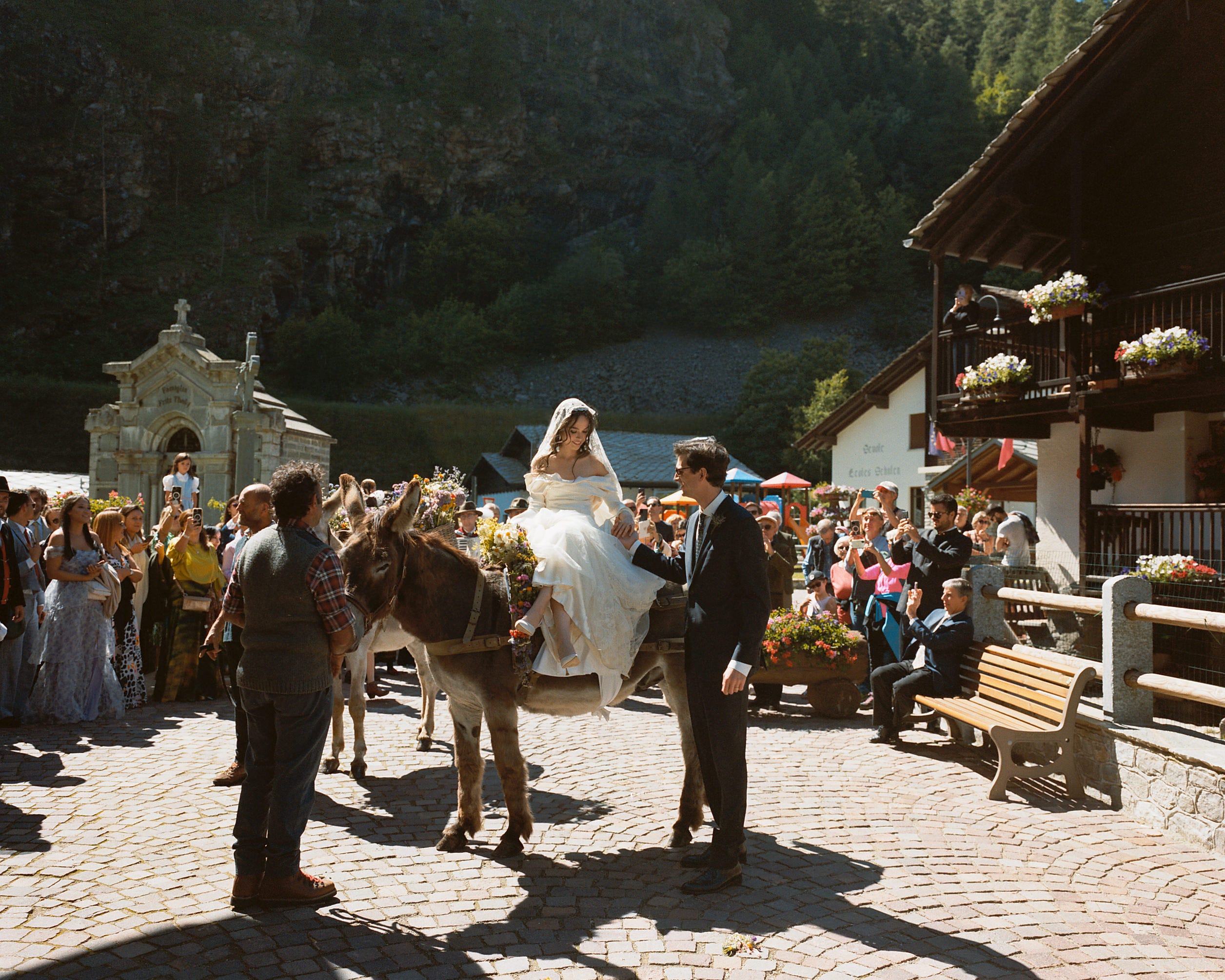
PO: Photographers, one could argue, have the most unique vantage point at a wedding. What do you think you have the privilege of seeing that the guests do not?
GM: I’ve always been fascinated by our role. In the span of just a few hours, we go from being strangers to being in the front row. For me, it’s always a privilege, and I try to step into people’s stories as gently as possible, figuring out each time what the most respectful approach is.
PO: What are you most trying to capture in a wedding?
GM: My main goal is to find key images that can become anchors in the family’s memory. I think of those photos from our childhood—there are always a few that become reference points for the most important moments in life. I arrive at a wedding hoping to capture some of those images: between the couple, but also among family and friends.
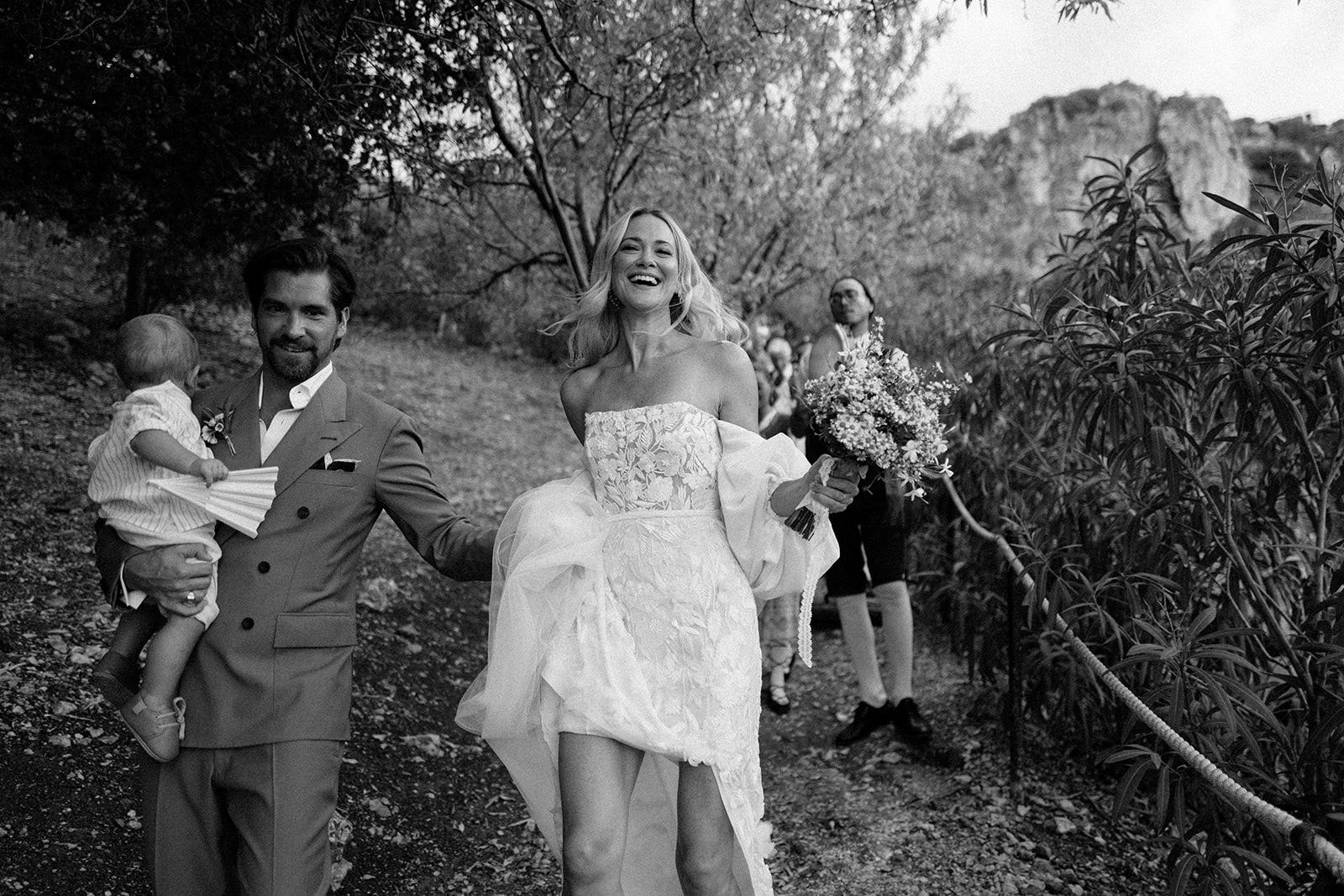
PO: Do you ever intervene in a moment, or do you wait for it to unfold naturally?
GM: I always try to let things flow as naturally as possible. Often the most beautiful photos hide in the unexpected. Sometimes, though, giving a small suggestion or input can gently guide a moment in a certain direction.
PO: What are the images you always make sure to capture — and are there any clichés that you consciously avoid?
GM: Of course, there are highly symbolic moments I always try to capture, even if they might not end up being the strongest images of the day. It’s also important to remember that the meaning and value of a photo can evolve over time, often in ways we can’t predict.
PO: Your photos often feel like stills from a memory — how do you compose for nostalgia?
GM: I think it comes down to the sensitivity of the person behind the camera. But sensitivity alone isn’t enough. Photography is a very complex language, allowing you to layer meanings and perspectives. I’ve worked a lot on myself and my way of photographing to be as connected and direct as possible. That’s what allows a photo to carry weight, to be nostalgic—but if we don’t see it, if we don’t feel it, those emotions can’t be captured.
PO: How do you think about color versus black and white — when does each feel right?
GM: I love both and don’t have a specific preference. I think they convey different emotions, so I choose depending on various factors. With digital photography, this decision usually happens during editing, while with film, I try to visualize in advance what will suit a particular moment or lighting condition best.
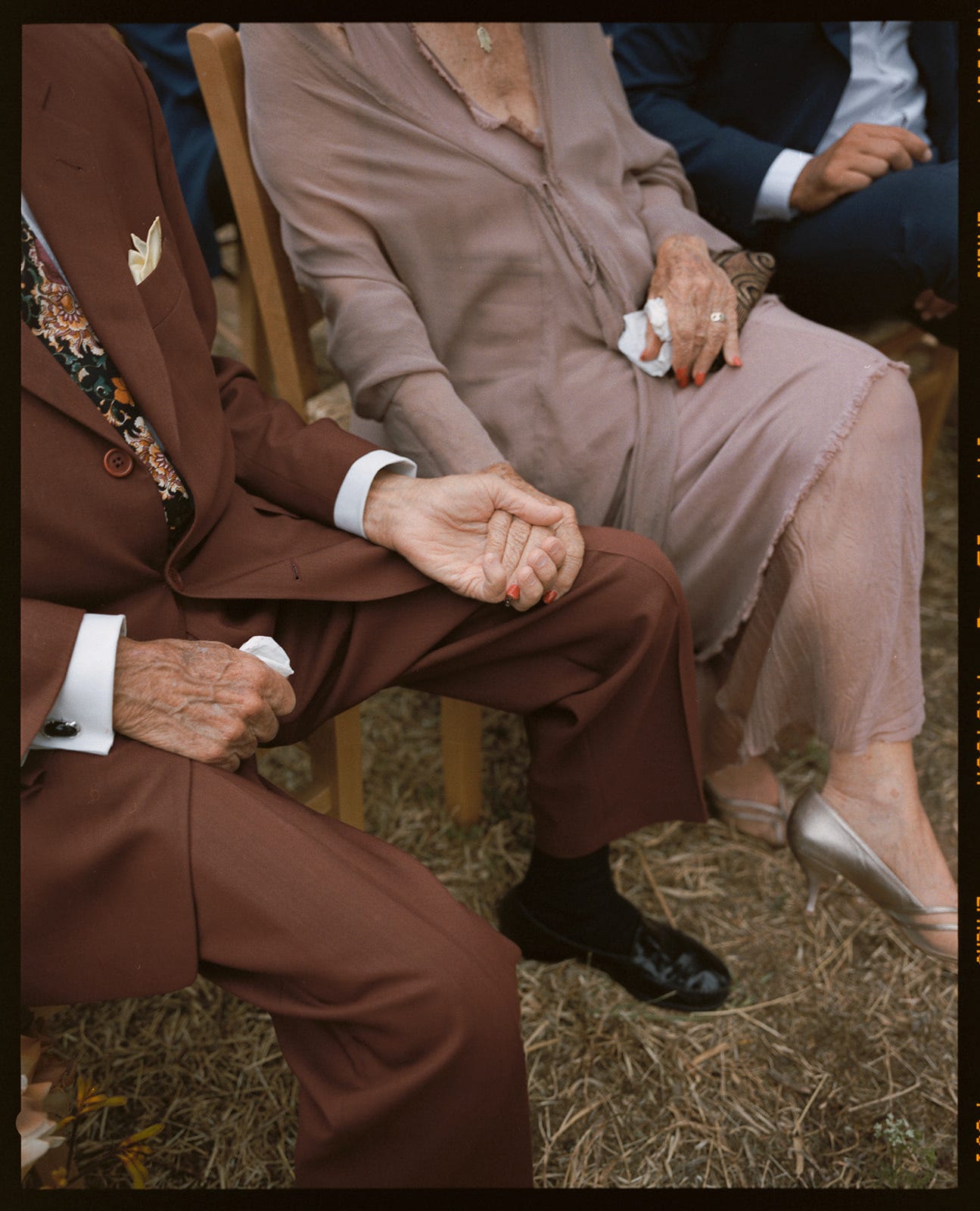
PO: You often capture gestures more than faces. What do you think gestures reveal that portraits don’t?
GM: I like to use photos as metaphors, as opportunities to extend our gaze and feeling beyond the frame. Abstraction helps make certain moments universal: not only connected to the couple in that instant, but expressing an emotion that transcends the subjects captured.
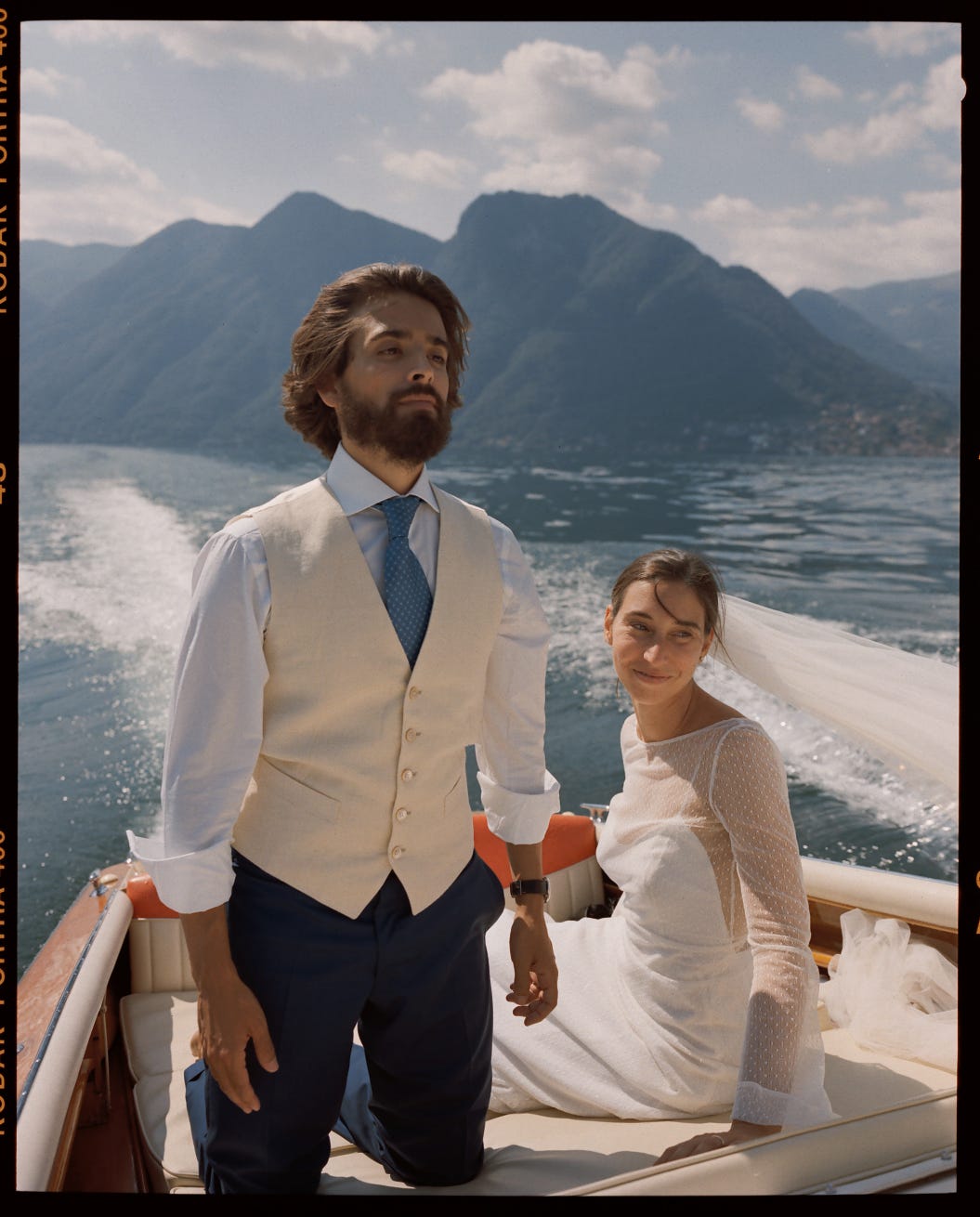
PO: What’s the most moving moment you’ve witnessed while photographing a wedding?
GM: There have been so many, both joyful and sorrowful. Life is unpredictable, and I’ve also witnessed very painful moments at weddings. In general, during the exchange of vows, I often find myself moved: sometimes you can almost touch the love between two people, and it brushes against you—that is undoubtedly touching.
PO: Do you ever feel like you’re part of the couple’s story by the end of a shoot?
GM: Yes, and it’s one of the most beautiful aspects of this work. Sometimes the feeling of having been part of something special stays with me for days, as if a piece of me remains in each of those events.
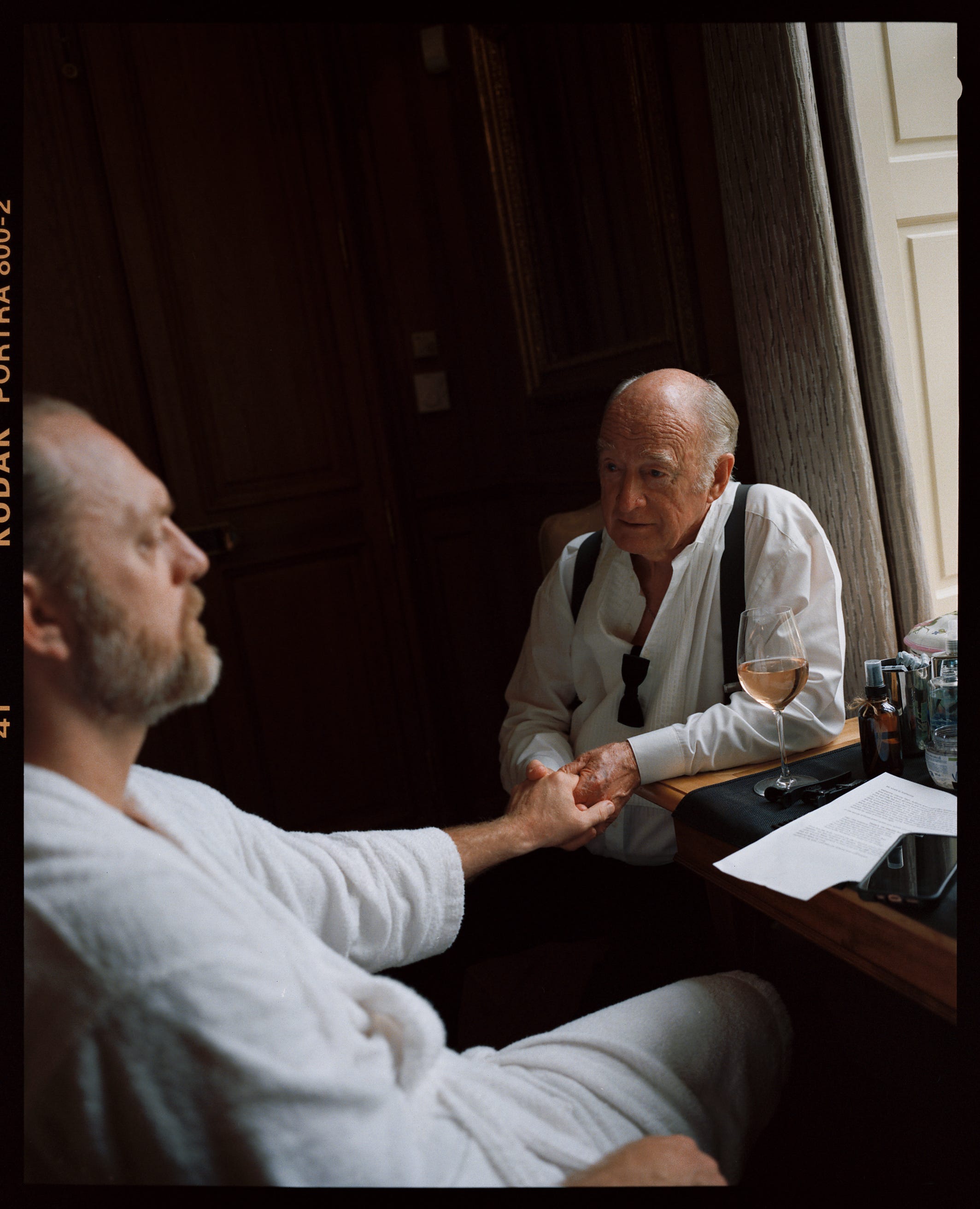
PO: What’s your fondest memory or what is still with you most from Eric and Jamie’s wedding? (almost 5 years ago at this point!)
GM: Their wedding perfectly reflects many small things I’ve tried to summarize in my previous answers. Meeting Eric and Jamie, I felt that they were gentle souls, long-lost friends, people with whom I could have been deeply connected under different circumstances, in different places, at other crossroads of life. I carry that feeling with me; it becomes an energy that fuels my desire to keep doing this work.
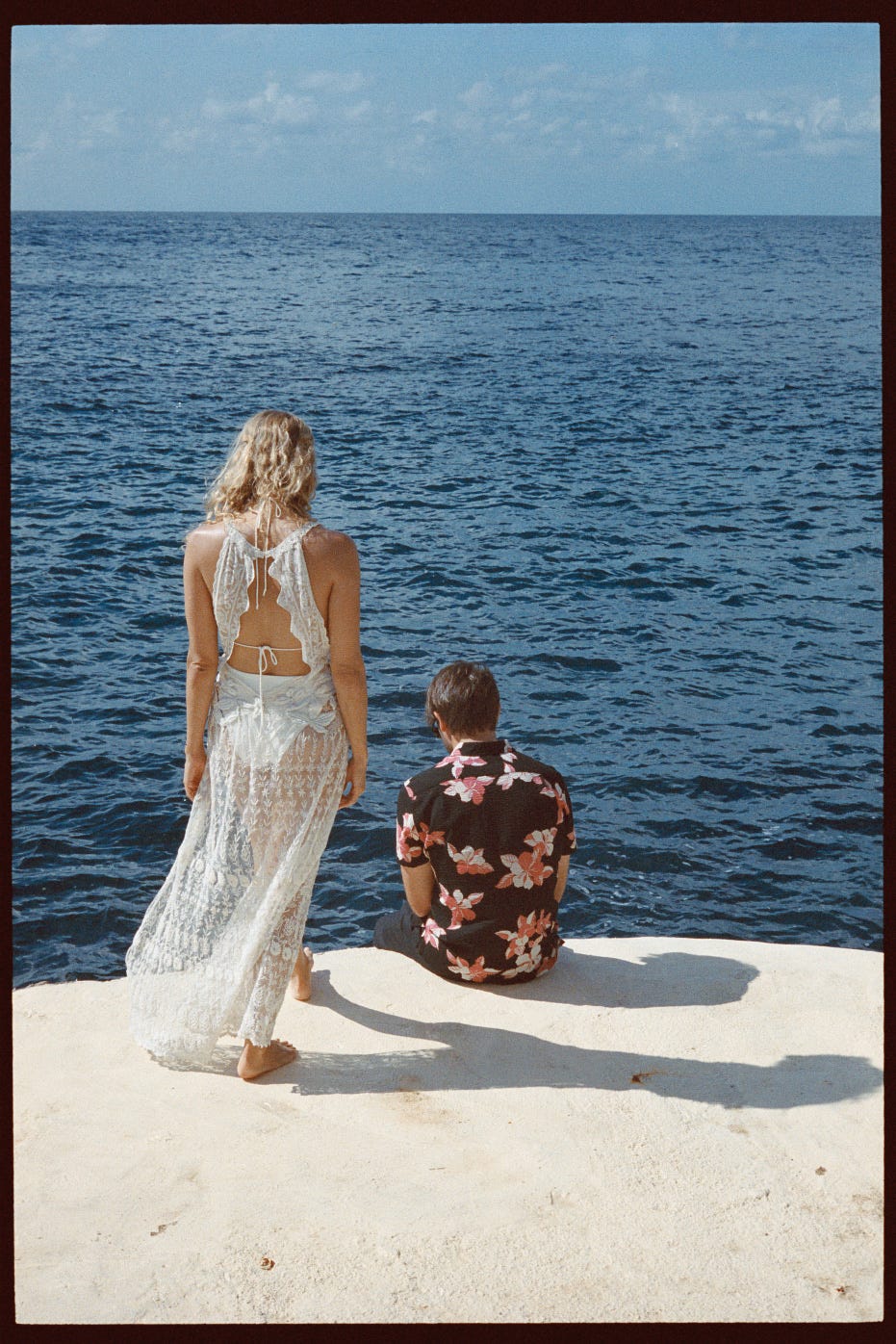
PO: Do you offer any coaching to couples on how to pose? Any advice you can share?
GM: Rather than giving specific posing instructions, I try to create conditions that allow the couple to feel comfortable. I’m not concerned with formal poses or perfection. What matters is capturing how they are together because each of us experiences relationships and intimacy in our own way. My goal is to help couples feel free to be themselves.
PO: Explain the process ahead of a wedding. What do you need from the couple to be the most successful?
GM: First, I try to connect with the couple, to learn more about them, often through a video call to discover their life, passions, and desires. For me, that’s the first step toward a successful collaboration.
PO: You see a lot of weddings; what is one element of a wedding you shot that stands out and that you think more couples should incorporate?
GM: I’d say planning the event well, seeking support, but at the same time leaving room for things to happen naturally. Sometimes what prevents a couple from fully experiencing their emotions on the day is over-planning, controlling the timing too tightly, which ends up suffocating them. So my advice: leave space to feel and enjoy the day as it unfolds.
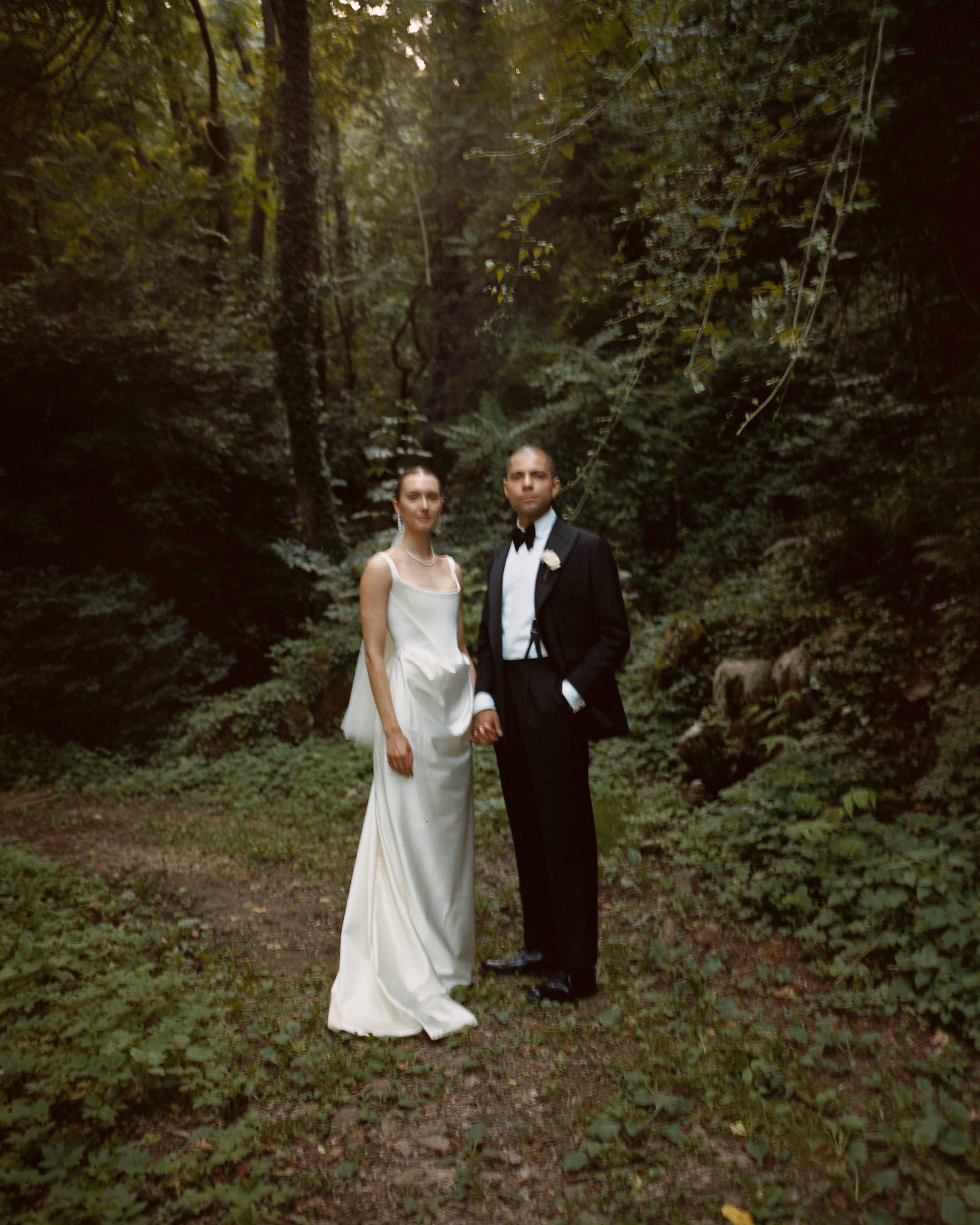
PO: What has been one of your favorite locations to shoot? Least favorite?
GM: I enjoy working in places where nature is strong and present, or where you can feel history. I’m not drawn to overly constructed locations that feel fake or cold.
PO: Finding the right photographer is a lot like finding the right partner — it’s obviously very personal, but what is a good piece of advice you could offer couples as they begin their search?
GM: First, understand your priorities: what aspects of your photos matter most? Be critical in evaluating how the images you see in portfolios were created—this helps determine if a photographer’s approach aligns with you and your way of being.
PO: When you’re not photographing weddings, what is your favorite subject?
GM: I enjoy photographing places that catch my eye. I’m generally drawn to contrasts, like the striking beauty of nature versus human intervention—a kind of social landscape. Increasingly, I also capture portraits of people who attract my attention within these environments.